
Introduction:
In recent years, the automotive industry has undergone a remarkable transformation with the rise of electric cars. As concerns about environmental sustainability and the depletion of fossil fuels continue to grow, electric vehicles (EVs) have emerged as a promising solution to reduce carbon emissions and pave the way for a greener future. In this blog post, we will delve into the evolution of electric cars and their potential to revolutionize the way we drive and power our vehicles.
The Early Days of Electric Cars:

Electric cars are not a new concept; in fact, they have been around for over a century. The first electric vehicle was built in the early 19th century, and they gained popularity in the late 1800s and early 1900s, primarily in urban areas. However, they were largely overshadowed by the internal combustion engine, which offered longer driving ranges and easier refueling options.
The Resurgence of Electric Cars:
Electric cars began to regain prominence in the 21st century as environmental concerns and technological advancements converged. Innovations in battery technology, such as lithium-ion batteries, made it possible to develop electric vehicles with significantly improved range and performance. This technological progress, coupled with increasing awareness of climate change, led to a renewed interest in electric cars.
Major Milestones in the Electric Car Revolution:

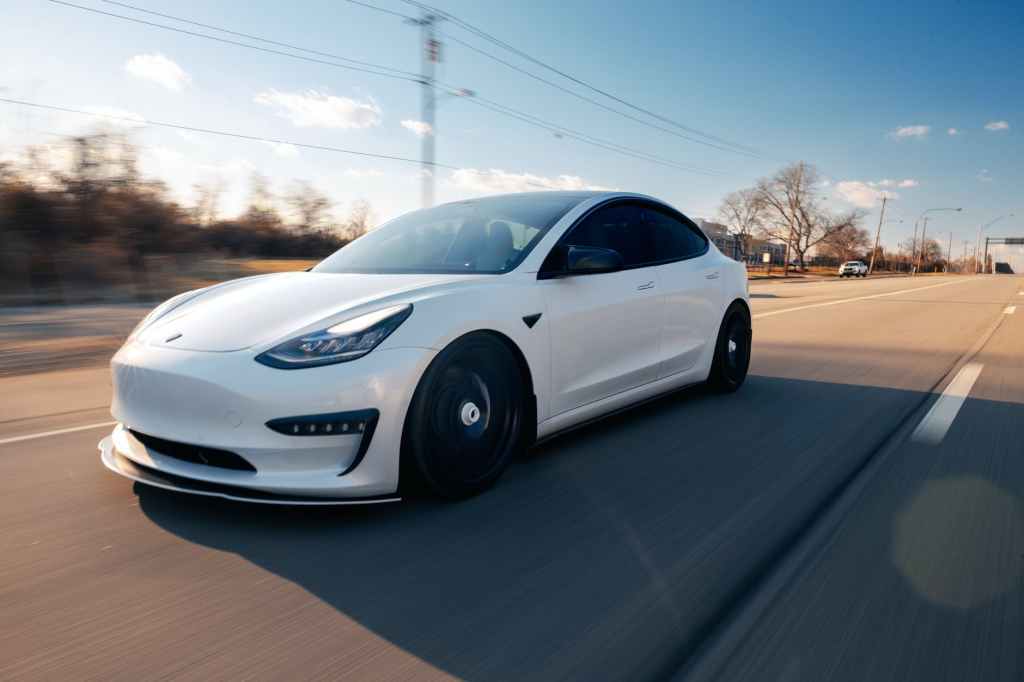
- Tesla’s Impact: Tesla, founded by Elon Musk, played a pivotal role in changing the perception of electric vehicles. The company’s electric cars, such as the Model S, Model 3, Model X, and Model Y, set new industry standards for range, performance, and design. Tesla’s Supercharger network also addressed concerns about charging infrastructure.
- Government Initiatives: Many governments around the world introduced incentives to promote electric vehicle adoption. These incentives include tax credits, rebates, and regulations encouraging automakers to produce electric cars. These measures have played a crucial role in increasing EV adoption.
- Diverse EV Models: As the electric vehicle market expanded, more automakers joined the race to produce electric cars. This diversity in models, from compact electric hatchbacks to electric SUVs and trucks, provides consumers with a wider range of choices.
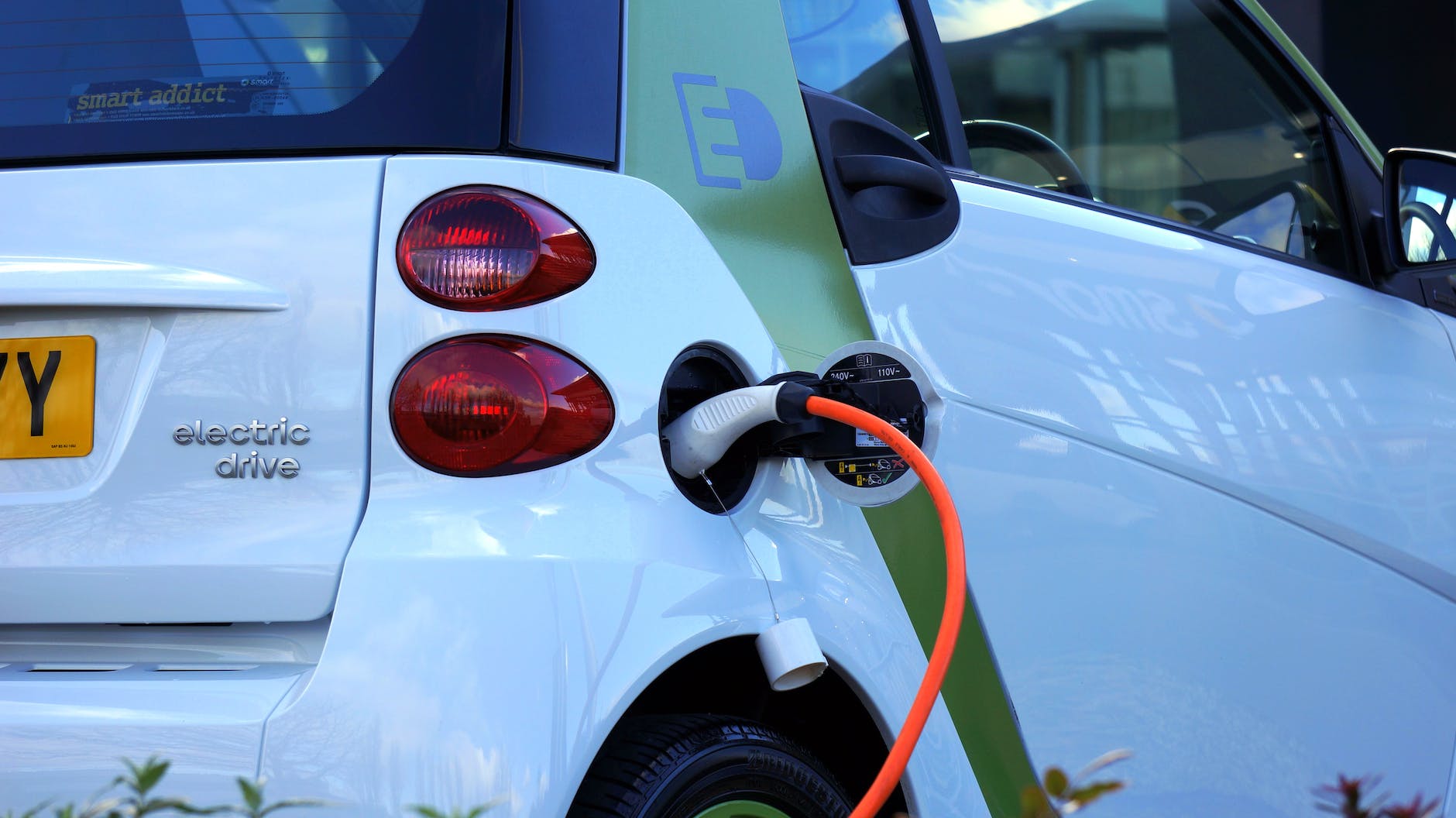
- Advances in Charging Infrastructure: Charging infrastructure has rapidly improved, with an ever-growing network of public charging stations, including fast chargers. This has made it easier for EV owners to charge their vehicles quickly and conveniently.
The Environmental Benefits:

One of the primary advantages of electric cars is their potential to reduce greenhouse gas emissions. Unlike traditional gasoline-powered vehicles, electric cars produce zero tailpipe emissions, which helps combat air pollution and slow down climate change. Additionally, as the electricity grid becomes cleaner through the use of renewable energy sources, the environmental benefits of electric cars will only increase.
Conclusion:
The evolution of electric cars has been nothing short of remarkable. With the rapid advancements in technology, an expanding selection of electric vehicle models, and increased support from governments and the public, the future of electric cars looks promising. As we continue to work towards a more sustainable and eco-friendly transportation system, electric cars will play a crucial role in reducing our carbon footprint and creating a cleaner, more environmentally responsible future on wheels.
 Carget
Bir şərh yazın